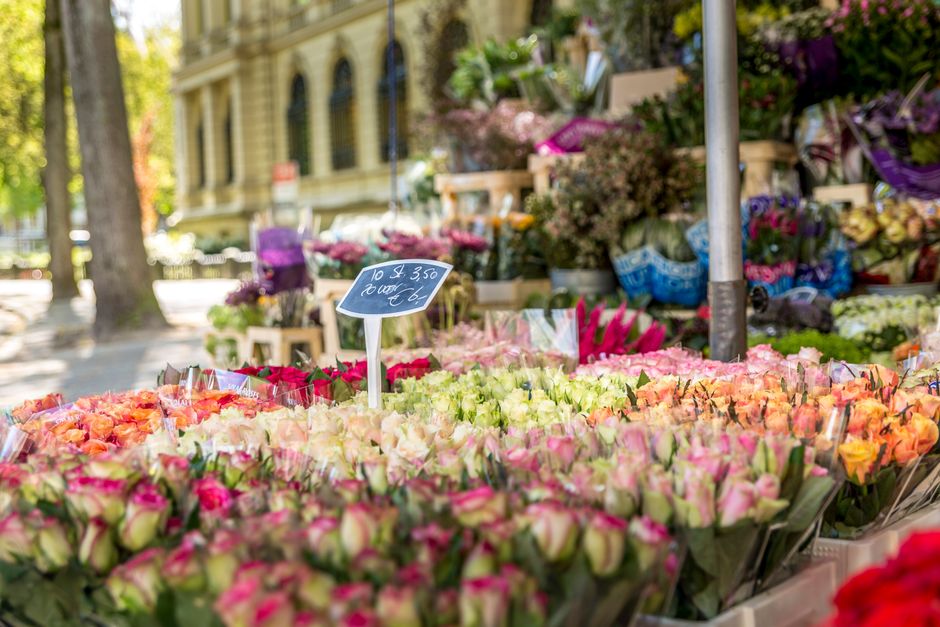
Redbridge council rules for doorstep flower stalls and displays
Posted on 03/10/2026
If you are setting up a small flower stall at your doorstep in Redbridge, the rules can feel a bit murky at first. One neighbour says it is fine, another mentions licensing, and suddenly a simple bunch of roses on a front path turns into a puzzle. The good news is that, with the right approach, a doorstep display can be welcoming, legal, and tidy without becoming a headache.
This guide explains the practical side of Redbridge council rules for doorstep flower stalls and displays in plain English. We will look at what usually matters, how to stay on the right side of local expectations, what risks to avoid, and how to decide whether a doorway display, pop-up stand, or occasional seasonal arrangement is actually suitable for your property. Truth be told, most issues are not about the flowers themselves. They are about access, safety, cleanliness, nuisance, and whether the display affects the public highway or your neighbours.
By the end, you will have a clearer picture of what to check before you put out a single bucket, crate, or planter.
Table of Contents
- Why Redbridge council rules for doorstep flower stalls and displays Matters
- How Redbridge council rules for doorstep flower stalls and displays Works
- Key Benefits and Practical Advantages
- Who This Is For and When It Makes Sense
- Step-by-Step Guidance
- Expert Tips for Better Results
- Common Mistakes to Avoid
- Tools, Resources and Recommendations
- Law, Compliance, Standards, or Best Practice
- Options, Methods, or Comparison Table
- Case Study or Real-World Example
- Practical Checklist
- Conclusion
- Frequently Asked Questions
Why Redbridge council rules for doorstep flower stalls and displays Matters
A doorstep flower stall might seem tiny in scale, but it can still create real-world issues. A row of buckets near the pavement can narrow the walkway. A display that spills onto the highway can irritate pedestrians, parents with buggies, or wheelchair users. Water runoff can make paving slippery. And if you are trading regularly, what started as a cheerful display can start to look like an unlicensed street trading activity.
That last point is the one people often miss. A few stems in a vase for a seasonal celebration is one thing. Repeated sales from the doorstep, with signs, price boards, stock rotation, payment collection, and public-facing display, can move you into a very different category. You do not want to guess your way through that distinction.
There is also the wider neighbourhood picture. Flowers are lovely. No one is arguing with the flowers. But local councils must think about public access, visual clutter, waste, and whether an arrangement encourages people to congregate or block the entrance. In a busy London borough, that can matter more than the retailer expects.
It is worth thinking about this early, before your first weekend sale. A calm setup now can save you awkward conversations later. And let's face it, few people enjoy being told to move their buckets back indoors just when the peonies are looking best.
How Redbridge council rules for doorstep flower stalls and displays Works
The practical answer is that several different rules may apply at once, depending on where the flowers are placed and how the stall operates. There is no single universal "doorstep flower stall rule" that covers every home or business. Instead, you need to think about a few overlapping areas.
1. Is the display on private land or the public highway?
If your flowers stay fully within your own property, that is usually the simplest position. A display on your front step, in a front garden, or just behind your boundary may be treated very differently from a display that spills onto the pavement. As soon as items sit on the pavement or affect the public highway, the risk level goes up quickly.
That boundary line is not just a technicality. In practice, a bucket placed six inches too far forward can become an issue if it reduces footway width or creates an obstruction.
2. Are you selling flowers or simply displaying them?
A decorative floral arrangement outside your home is not the same as operating a sale point. If you are taking money from passers-by, advertising fresh stock, or inviting walk-up customers to buy, the activity looks more like trading. That may trigger local rules around street trading, business use, and nuisance prevention.
If you are only displaying flowers as part of your home frontage, the question becomes one of appearance, safety, and perhaps neighbour impact rather than trading law. Still, repeated or large-scale displays can attract scrutiny if they appear commercial.
3. Does the setup affect access, safety, or visibility?
Even a neat floral display can cause problems if it blocks a doorway, obscures sightlines, makes stepping onto the path awkward, or creates a trip hazard. In London weather, a wet morning can make a tiled doorstep slick enough already. Add loose crates, trailing stems, and damp cardboard, and you have a recipe for somebody slipping. Not ideal.
4. Are there extra rules for waste, noise, and hours?
If you are refreshing displays regularly, unpacking deliveries early, or moving stock late in the evening, there may be knock-on issues around noise and disturbance. Likewise, packaging, cuttings, and wilted flowers should be managed neatly. Overflowing bags or scattered leaves can quickly make a display feel unmanaged.
The safest way to think about the rules is this: the council is unlikely to object to attractive, tidy, low-impact flowers on private property. The more the activity looks like a trading pitch, the more careful you need to be.
Key Benefits and Practical Advantages
Following the relevant Redbridge council expectations is not just about avoiding trouble. Done properly, it brings some very real advantages.
- Cleaner customer experience: A tidy, well-ordered display looks more trustworthy and professional.
- Lower risk of complaints: Neighbours are less likely to object if the space stays uncluttered and quiet.
- Better footfall conversion: People are more likely to buy when they can easily see the flowers and move safely past the stall.
- Less waste and damage: Clear storage and sensible layout help keep flowers fresh for longer.
- Reduced enforcement risk: Careful setup lowers the chance of being challenged over obstruction or unauthorised trading.
There is also a branding benefit. A doorstep display can be charming in the right setting. A few well-chosen arrangements can say "local, fresh, and cared for" in a way that no ad ever quite manages. Especially in the morning light, with dew still on the petals, it can be quietly persuasive.
If you are building a wider flower business, the same attention to detail also helps with online orders, repeat local customers, and special-occasion sales. For example, a seller who keeps seasonal stock tidy and well presented may also find it easier to promote birthday flowers or all flowers as part of a broader local offer.
Who This Is For and When It Makes Sense
This topic matters to a few different types of people, and not all of them are running a formal shop.
Home-based florists
If you make arrangements from home and want to display a small selection by the front door, you need to know what is acceptable on your property line and what is likely to be considered trading activity. This is especially relevant if customers collect from the house, or if you expect casual foot traffic.
Seasonal sellers
Some people only set out flowers for a short period: Mother's Day, Valentine's Day, weddings, Eid, funerals, or local celebrations. Temporary displays can still raise issues if they are too large, too frequent, or badly placed. A seasonal stall is still a stall, after all.
Small local businesses
If you run a flower business from a shopfront, kiosk, or residential frontage, the council view will likely depend on how public-facing the setup is. You may also need to think about access routes, loading, frontage appearance, and the safety of customers waiting at the door.
Community groups and event organisers
Church groups, fundraising teams, wedding teams, and memorial organisers sometimes place flowers outside buildings as part of an event. Those displays can be sensitive. You want them neat, respectful, and unobtrusive, especially near entrances or memorial spaces.
In practice, the question is simple: are you creating a small, temporary, low-impact display, or are you operating a repeat sales point? The answer changes everything.
Step-by-Step Guidance
If you want to keep things sensible from the outset, follow this practical route. It is not glamorous, but it works.
- Check the exact location of the display. Mark your boundary. Know where private land ends and the footway begins. Do not rely on memory or "roughly here".
- Decide whether the flowers are decorative or commercial. If you are selling to the public, treat it as a trading setup and think more carefully about permissions.
- Measure how much space you are using. Leave room for people to pass comfortably, including pushchairs, mobility aids, and bags.
- Keep access clear at all times. The front door, gate, bell, letterbox, and any shared entry should stay unobstructed.
- Use stable, weather-safe containers. Heavy enough to stay put, light enough to move safely, and not so fragile that one knock sends water everywhere.
- Plan drainage and spill control. Water should not run across the pavement or collect in slippery patches.
- Keep signage modest and honest. If you are selling flowers, signage should not mislead people or create confusion about prices and opening times.
- Manage waste daily. Cut stems, torn wrapping, and old blooms should be removed regularly.
- Check neighbour impact. Ask yourself: would this look tidy from next door, not just from my own front step?
- Review after a few days. A display that felt small on day one may feel crowded by day four. Trim back before it becomes a problem.
A lot of problems are solved by simply taking one step back and looking at the setup from the pavement. That little viewpoint shift catches more mistakes than people realise.
Expert Tips for Better Results
To keep a doorstep flower display practical rather than messy, a few small habits make a big difference.
Keep the frontage visually calm
Too many varieties, too many bucket heights, too many handwritten signs. It starts to look cluttered very quickly. A restrained colour palette often works better than a rainbow blast at the door. For instance, a few coordinated stems from the same seasonal range can feel much more intentional than a pile of random containers.
Use a clear "entry corridor"
Even when the stall is small, leave a clear line from the door to the street. Customers should not need to step around boxes or squeeze past hanging foliage. It sounds obvious, but in real life people often tuck one more crate into the gap. Then another. Then suddenly no one can get in.
Choose displays that suit the weather
In wet weather, raised stands and stable bases help reduce splash and soggy packaging. In windier weather, taller arrangements need more weight and less overhang. A display that looks lovely on a still morning can behave very differently once the weather turns.
Make freshness part of the layout
Flowers should look cared for, not just present. Trim stems, refresh water, and remove tired heads before they affect the whole display. If you sell bouquets, a little care with flower care can help the blooms stay presentable for longer and cut down waste.
Keep it simple for collection orders
If customers are collecting, label orders clearly and keep them separate from general display stock. That avoids awkward mix-ups and makes the doorstep feel organised rather than chaotic.
Small thing, but it matters. A tidy flower front can make a very ordinary street feel welcoming, and that impression sticks.
Common Mistakes to Avoid
Most flower-display issues are avoidable. The trouble is that they often happen by accident, because someone is focused on the arrangement itself and not on the space around it.
- Putting stock partly on the pavement: Even a small overhang can be enough to cause a complaint.
- Ignoring trip hazards: Crates, hose pipes, uneven mats, and loose wiring should never sit where feet go.
- Assuming a small stall is automatically exempt: Small does not always mean outside the rules.
- Overpacking the frontage: More stock is not always better. Sometimes it just looks messy and invites problems.
- Leaving flowers out after dark without thought: Visibility, theft, and damage can all become issues.
- Letting water pool: A puddle at the step can be enough to create real risk.
- Using aggressive signage: Loud signs can make a modest display feel like a commercial encroachment.
- Not speaking to neighbours: A quick heads-up can prevent unnecessary tension.
One oddly common error is to treat the frontage like a mini shop fit-out and forget the home context. A doorstep is not a full retail unit. It has different limits. Once you see that, decisions get easier.
Tools, Resources and Recommendations
You do not need a huge setup to manage a small floral display well. In fact, simpler is usually better. A few practical tools can make life much easier.
| Item | Why it helps | Best use |
|---|---|---|
| Weighted buckets or stands | Reduces tipping in wind or busy footfall | Outdoor doorstep displays |
| Non-slip mats | Helps prevent accidents at the threshold | Wet weather and tiled steps |
| Simple price labels | Keeps the display easy to understand | Small sales setup |
| Waste tubs or paper bins | Controls cuttings and packaging | Daily tidy-up |
| Water trays or drip catchers | Reduces spill risk | Fresh-cut stems and vases |
| Flower shears and stem cutters | Makes regular maintenance quicker | Re-styling and preparation |
If you are running the display as part of a proper floral business, it can help to think in terms of the full customer journey too. Product choice, packaging, care instructions, and delivery all affect how the stall is perceived. Pages such as delivery, returns and refund, and about us can support that wider trust picture for a local customer who is deciding whether to buy.
For businesses that serve repeat customers, it is also worth checking how your display style matches your price points. Something neat and accessible might pair well with cheap flowers, while a more polished front could suit luxury flowers. Different audiences notice different things, and a doorstep display is often the first clue they get.
Law, Compliance, Standards, or Best Practice
This is the part where people sometimes want a neat, single answer. In reality, compliance depends on a mix of local control, property boundaries, public highway considerations, and general duties to avoid obstruction or nuisance. If you are unsure, treat that uncertainty seriously rather than hoping the council will not notice.
At a practical level, the key compliance questions are usually:
- Is the display fully on private land?
- Does it leave the pavement and entrance clear?
- Does it look like repeated trading rather than a one-off decorative arrangement?
- Could it cause slipping, clutter, noise, or nuisance?
- Would a reasonable person see it as tidy and safe?
There may also be rules around business use if a home is being used as a trading base. That can be especially relevant if deliveries arrive frequently, collection traffic builds up, or the display is clearly commercial. If you are in doubt, it is better to ask for guidance before launching than to tidy up after a complaint.
Best practice here is not about being overly cautious for its own sake. It is about being able to show that you have thought about safety, access, and neighbour impact. That tends to go a long way.
Expert summary: The safest doorstep flower display is the one that stays tidy, stays on private land, does not hinder access, and does not look like an unmanaged street-trading pitch. Keep it simple, visible, and respectful of the space around it.
Options, Methods, or Comparison Table
If you are deciding how to present flowers from home, compare the main approaches before you set anything out. The right option depends on how often you sell, how much foot traffic you expect, and how much visibility you want.
| Setup type | Best for | Pros | Watch-outs |
|---|---|---|---|
| Decorative doorstep display | Home frontage, seasonal style, low-key visibility | Simple, attractive, usually low impact | Must stay neat and private-land only |
| Small collection point | Pre-ordered bouquets and pickups | More controlled, less public clutter | Needs clear access and timing discipline |
| Walk-up flower stall | Regular sales to passers-by | Visible, customer-friendly, commercially effective | More likely to trigger trading and highway issues |
| Pop-up seasonal stand | Short-term events and busy occasions | Good for peak demand | Needs careful setup, staffing, and tidiness |
If your setup is mostly for advance orders, you may be better off with a controlled collection system and a smaller display than with a full public-facing stall. That usually keeps things calmer, and calmer is underrated. Especially on a Saturday morning when everyone seems to arrive at once.
Case Study or Real-World Example
Imagine a small home florist in Redbridge selling hand-tied bouquets from a front garden table on weekends. At first, the setup looks charming: a few pastel arrangements, a signboard, and a basket of wrapping paper. Customers like it. Neighbours mostly smile. Then the stock expands. A second table appears. Water drips onto the path. One bucket edges closer to the pavement. A delivery rider blocks the gate while a customer waits by the door. Not a disaster, but the mood changes.
The fix is usually not dramatic. In a case like this, a better arrangement might be:
- keeping all stock behind the boundary line
- reducing the number of containers on display
- moving collection orders to a side shelf or inside the property
- using one clear sign rather than several scattered signs
- adding a mat or tray under water containers
- removing tired stems before they make the whole display look tired
What changed? Not the flowers. The management of the space changed. That is often the whole story with doorstep displays. Once the layout is cleaner, people relax. Customers feel more confident, neighbours complain less, and the display starts working for you instead of against you.
Practical Checklist
Use this checklist before opening your doorstep flower display to the public, or even before refreshing a seasonal frontage.
- Have I confirmed the display stays on private land?
- Is the pavement fully clear?
- Can the front door open without obstruction?
- Are the containers stable and weather-safe?
- Is water contained and not spilling onto the path?
- Is the signage tidy and not excessive?
- Have I removed anything that could cause a trip?
- Are waste and cuttings collected regularly?
- Would the display still look acceptable after a busy hour?
- Have I considered whether the activity looks like trading rather than decoration?
- Have I spoken to neighbours if the setup is likely to draw attention?
- Do I know what I will do if a complaint comes in?
If you can tick most of those without hesitation, you are probably on the right track. If not, take another look. It is rarely the bouquet that causes the problem. It is usually the space around it.
Get a free quote today and see how much you can save.
Conclusion
Redbridge council rules for doorstep flower stalls and displays are best understood as a practical balance: make it attractive, keep it safe, and do not let it spill into the public realm. For most people, that means staying on private land, keeping access clear, managing water and waste properly, and being honest about whether the display is decorative or commercial.
If you approach it calmly, a doorstep flower display can be one of the loveliest parts of a local street. Small, fresh, seasonal, and quietly inviting. That is the sweet spot. Not overdone, not awkward, just nicely done. And honestly, that is usually what customers respond to anyway.
Take your time, keep it tidy, and give the frontage the same care you would give the flowers themselves. The details matter. They really do.
Frequently Asked Questions
Do I need permission to put flowers outside my front door in Redbridge?
If the flowers stay fully on your private property and do not affect the pavement or public access, you may not need formal permission. Once the display starts looking like a trading pitch or extends onto shared space, the position changes and it is worth checking carefully.
Can I sell flowers from my doorstep without a licence?
Not necessarily. Small-scale selling from home can still raise local trading, highway, or planning issues depending on how it operates. A one-off decorative display is different from a recurring sales setup. If people are coming to buy from the front door, treat it seriously.
What counts as a flower stall rather than just a display?
A flower stall usually implies active selling, pricing, customer access, or a public-facing commercial arrangement. A display is more decorative and may not involve sales. The moment customers are invited to browse and buy, it starts to look more like a stall.
Can I put buckets or stands on the pavement outside my home?
That is where problems often begin. Anything placed on the pavement can obstruct pedestrians or create a hazard, and may not be allowed. Even a narrow setup can become an issue if it affects access or footfall.
Do I need to worry about neighbours complaining?
Yes, and not because neighbours are difficult by default. They notice clutter, noise, and blocked access very quickly. A tidy, quiet, well-managed display usually causes fewer issues. A brief heads-up can help a lot.
What if my flower display is only temporary for an event?
Temporary displays are often easier to manage, but they still need to be safe and unobtrusive. Weddings, memorials, seasonal sales, and community events can all attract attention, so it is wise to keep the setup simple and brief.
How much space should I leave for people to pass?
There is no one-size-fits-all number here, but the guiding idea is straightforward: the path must remain comfortably passable for everyone, including pushchairs and mobility aids. If people need to sidestep your flowers, it is probably too tight.
What are the biggest risks with doorstep flower displays?
The main risks are obstruction, slips, nuisance, and the display being seen as unauthorised trading. Wet floors, unstable containers, and cluttered entrances are the everyday hazards people underestimate.
Can I use a front garden as part of the display?
If the front garden is clearly within your boundary and the setup does not create access or safety issues, that is often simpler than using the pavement. But you still need to think about how commercial the arrangement looks and whether it affects neighbours.
Should I ask the council before starting?
If you are planning a regular, public-facing, or commercial doorstep flower display, yes, that is a sensible move. A quick check before launch is far easier than dealing with a complaint after the fact. Nobody enjoys retrofitting common sense under pressure.
What is the safest way to keep a floral frontage compliant?
Keep everything on private land, leave access clear, use stable containers, manage water and waste, and avoid creating the look of an unmanaged street stall. In practical terms, neatness is your best protection.
Can I use my doorstep for online flower order collections?
Yes, often that can work well if the process is controlled. Keep the handover clear, brief, and safe, with enough room for the customer to collect without blocking others or lingering in the doorway.